Author: jhonesjames72

  • Dengue and Mosquito Control in Lahore: Spray, Fogging and Prevention

    Dengue and Mosquito Control in Lahore: Spray, Fogging and Prevention

    If you live in Lahore, you know the pattern. The monsoon ends, the puddles stay, and by September people start asking about dengue. The good news is that dengue is a problem you can reduce. The mosquito that spreads it breeds in small pots of water around your own home, so a big part of the fix is in your hands.

    This guide explains how the dengue mosquito lives, where it breeds in Lahore homes, what you can do yourself, and when spraying and fogging make sense. We also share the 2026 price ranges for mosquito control in Lahore, taken from our own service pages.
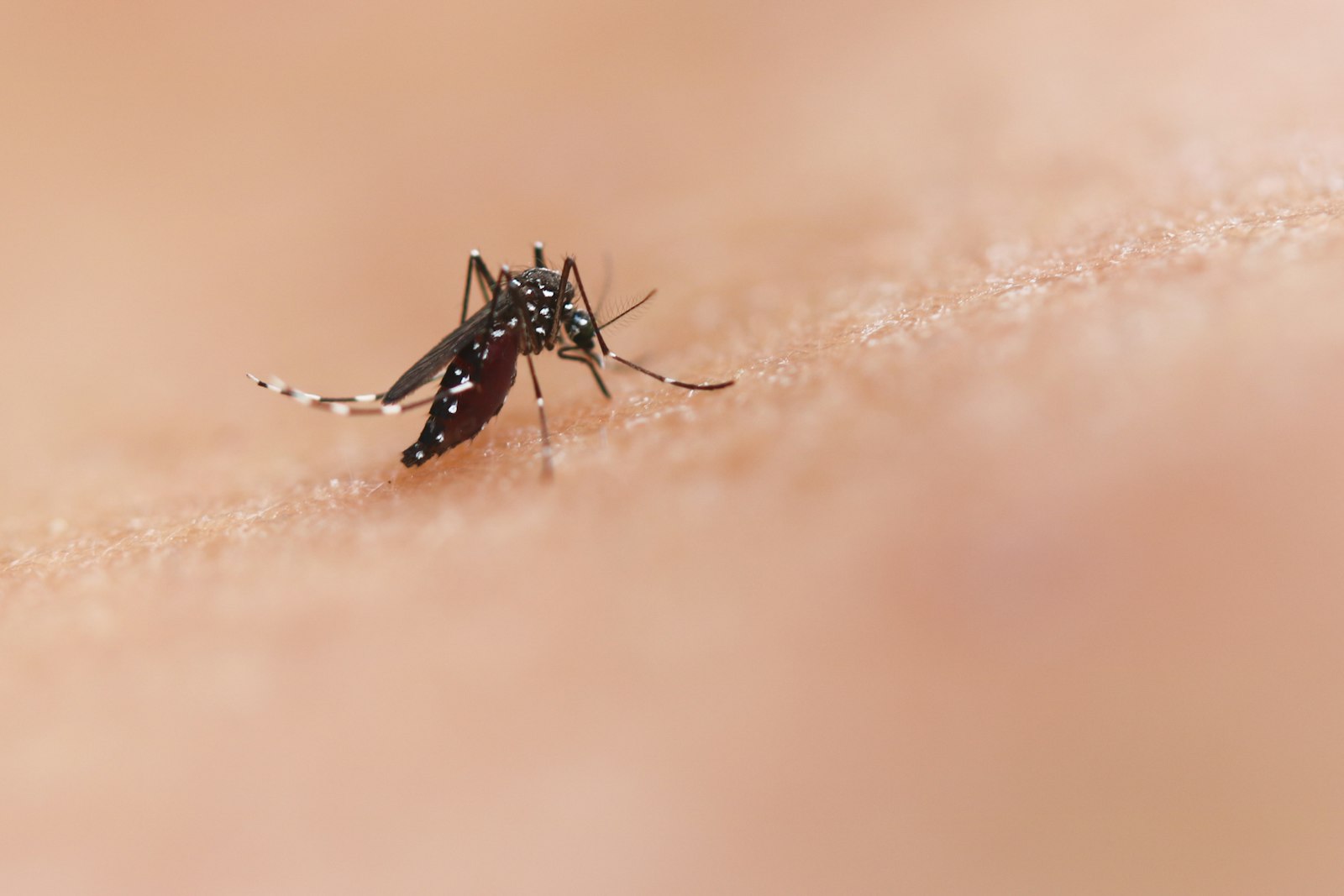
    Close-up of a black mosquito with white-striped legs feeding on human skin
    Photo: National Institute of Allergy and Infectious Diseases on Unsplash

    What spreads dengue?

    Dengue is caused by a virus. It spreads to people through the bite of an infected female mosquito. The main carrier is the Aedes aegypti mosquito. Other Aedes species can spread it too, but they usually play a smaller role, according to the World Health Organization (WHO).

    Here are the facts that matter most for your home:

    • The mosquitoes that spread dengue bite during the day, not only at night.
    • Only females bite. They need blood to produce eggs.
    • A mosquito can pick up the virus from a sick person up to 2 days before symptoms start and up to 2 days after the fever ends.
    • Inside the mosquito, the virus needs about 8 to 12 days to become ready to spread at 25 to 28°C. After that, the mosquito can pass it on for the rest of its life.

    That last point is why one infected mosquito living in your lawn or store room is a real risk. It does not lose the virus after a few days.

    Dengue in Lahore: what the numbers show

    Dengue cases in Lahore have swung a lot from year to year. The Express Tribune, quoting Metropolitan Corporation of Lahore data in its 24 September 2026 report, listed these yearly totals:

    YearDengue cases in LahoreDeaths
    202120,042118
    20228,25224
    20237,0316
    20244750
    20257813
    2026 (to 24 September)230

    Low numbers this year are good news. They do not mean the mosquito is gone. The same report says the city kept clearing ponds and stagnant water, cleaning drains and spraying around any home where larvae or a patient was found. Officials also asked residents to help find and clean breeding sites. In 2021, most cases came from areas such as Cantonment and DHA, so homes in those areas should stay alert. See our pages for pest control in DHA Lahore and Lahore Cantt.

    Where the dengue mosquito breeds at home

    This mosquito does not need a pond. The US Centers for Disease Control and Prevention (CDC) explains that females lay eggs on the inner walls of containers, just above the waterline. They need only a small amount of water. The CDC life cycle page lists bowls, cups, fountains, tyres, barrels and vases as common breeding containers.

    Three more facts from the CDC explain why this problem comes back:

    • Eggs stick to the container wall and can survive drying out for up to 8 months. When water returns, they can hatch.
    • An egg can grow into an adult in 7 to 10 days. A forgotten bucket after one rainy week can produce new mosquitoes fast.
    • These mosquitoes prefer to live near people, both indoors and outdoors, and fly only a few blocks in their lifetime. So the mosquitoes biting you usually come from close by.
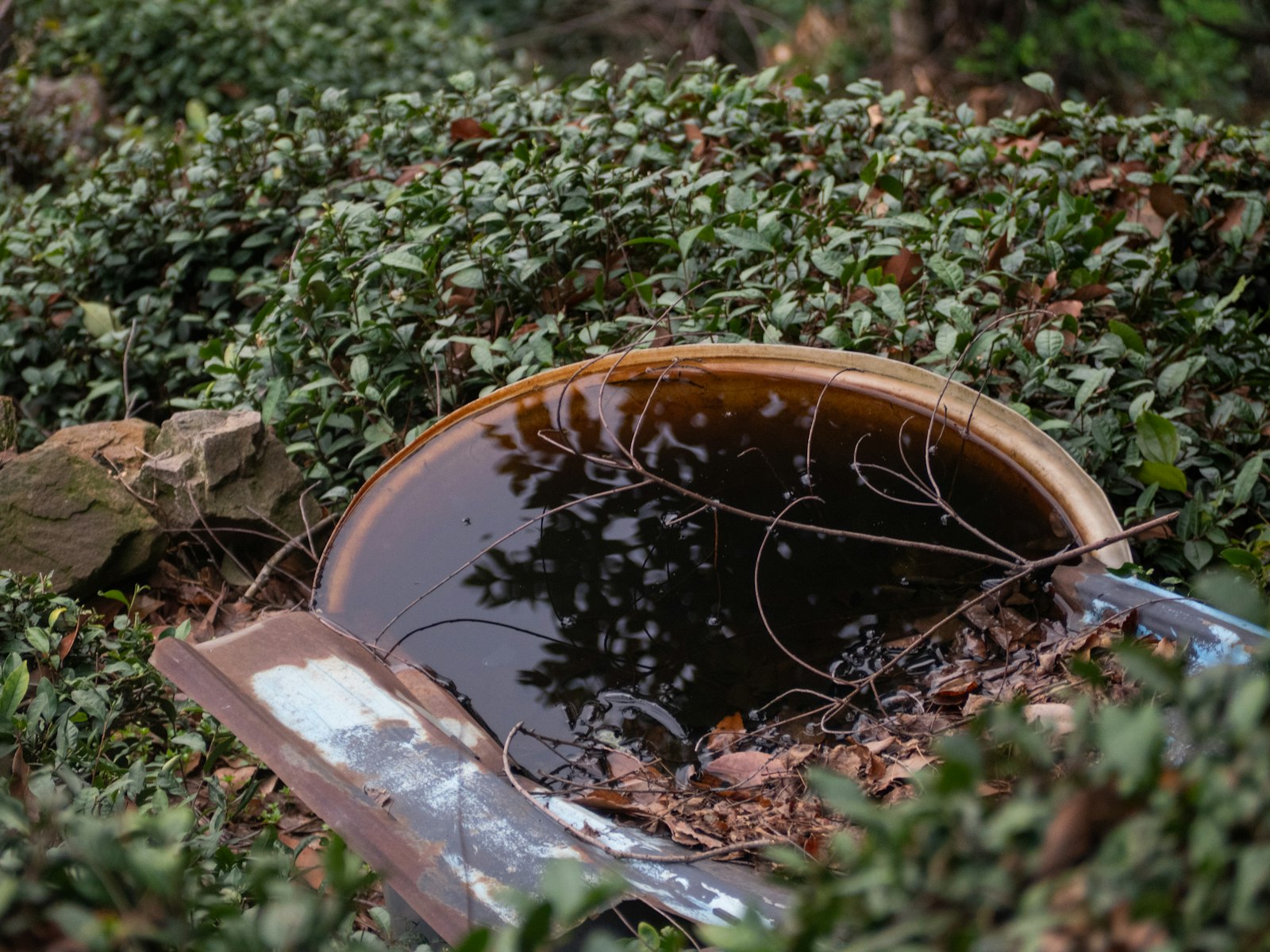
    Old rusty basin filled with dark standing water among leaves and shrubs, a typical mosquito breeding spot
    Photo: Wenzy Wong on Unsplash

    Common breeding spots to check

    Walk around your house, roof and lawn and look for anything that holds water. Check these places first:

    • Uncovered water tanks, drums and buckets on the roof or in the yard
    • Plant pots, saucers and vases
    • Old tyres, tins and broken containers left in a corner
    • Trays under air coolers, air conditioners and water dispensers
    • Blocked drains, gutters and pits near the boundary wall
    • Water that collects on flat roofs after rain

    Seven steps you can take this week

    WHO advises people to cover, empty and clean household water storage containers every week, and to remove waste that can hold water. You can turn that advice into a simple routine.

    1. Empty and scrub. Once a week, empty buckets, trays and pots. Scrub the inside walls with a brush, because the eggs stick there.
    2. Cover tanks and drums. Keep a tight lid on every water tank. Close any gap where a mosquito could enter.
    3. Throw away what you do not need. Old tyres, tins and broken pots collect rain. Remove them.
    4. Fix standing water. Level low spots in the lawn. Clear blocked drains and gutters.
    5. Use screens and nets. Fit mesh on windows and doors. Use a net if someone sleeps during the day.
    6. Cover your skin. Wear long sleeves and trousers when you spend time outside during the day.
    7. Ask neighbours to do the same. Mosquitoes fly only short distances, so one untidy plot can undo your work.
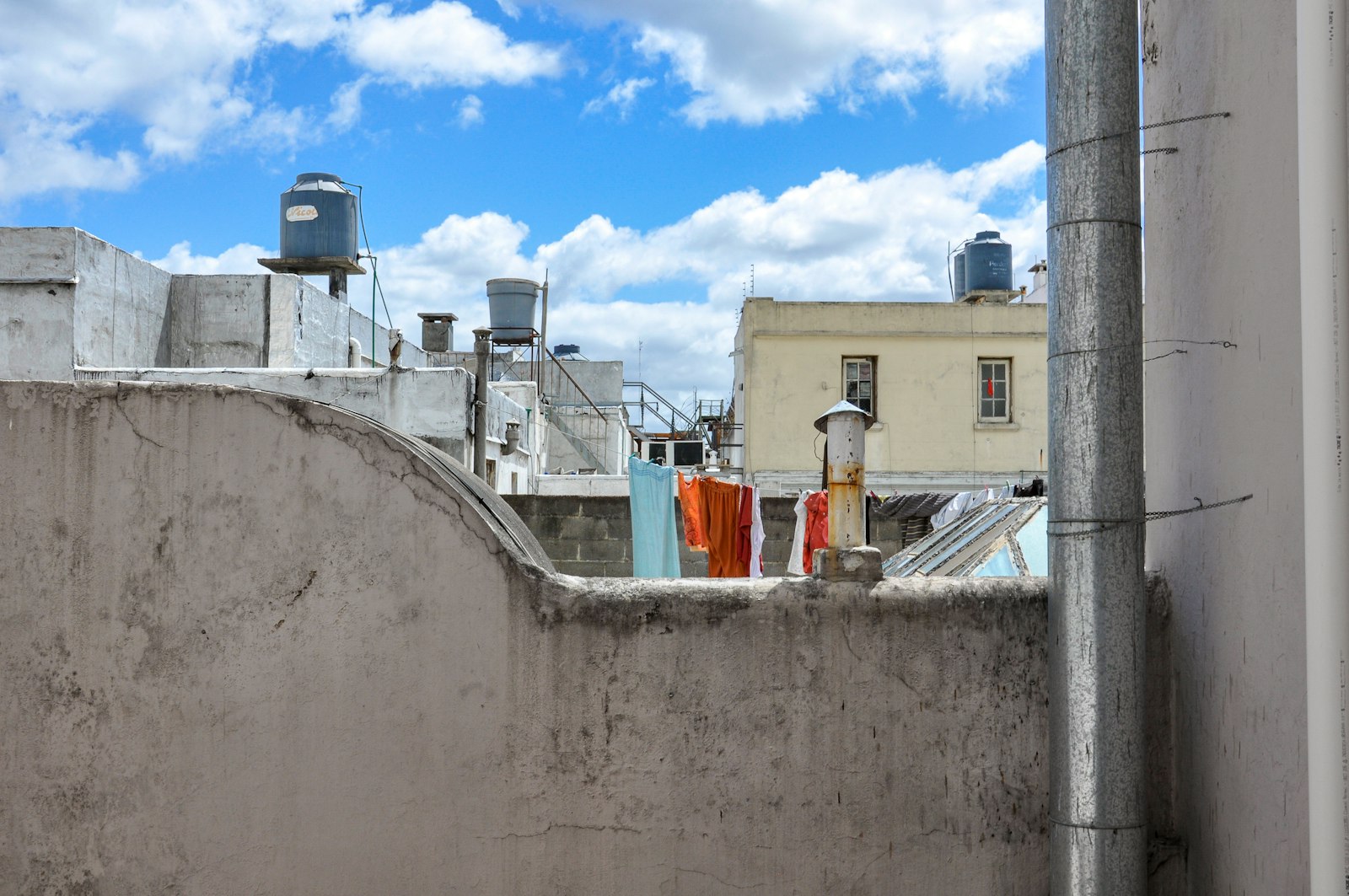
    Rooftop water tanks on city buildings under a blue sky with laundry hanging on a line
    Photo: Nikolai Kolosov on Unsplash

    When you need spraying and fogging

    Home steps cut the number of mosquitoes. They cannot reach every drain, tank and shaded corner. That is where professional mosquito control in Lahore helps. Our service uses four layers, and each one does a different job:

    • Breeding site inspection. We walk the home, roof, lawn and surroundings to find places where water collects. Water that can be emptied or covered is dealt with on the spot.
    • Larvicide treatment. For water that cannot be emptied, such as drains and tanks, a larvicide is applied to stop larvae from growing into adults.
    • Outdoor fogging. We fog lawns, gardens, boundary walls and shaded areas to knock down adult mosquitoes that are flying.
    • Indoor residual spray. We treat walls behind furniture, under beds and in dark corners, where daytime mosquitoes rest.

    Fogging alone is not enough. It targets adults that are in the air. It does not remove the containers where new mosquitoes hatch. That is why the inspection and larvicide steps come first.

    How long to stay out after fogging

    After outdoor fogging, we ask families to stay away from the treated area for about 30 minutes to 2 hours. Keep children and pets indoors or away until the technician says it is safe. Cover food and water before the team starts.

    Mosquito control cost in Lahore in 2026

    Here are our 2026 reference prices in PKR. They match our pest control cost page. The final price depends on the size of the property, how many breeding sites there are, and seasonal demand.

    ServicePrice (PKR)
    One-time indoor spray (standard home)4,500 – 7,500
    One-time outdoor fogging4,000 – 7,000
    Seasonal package (3 sprays)9,000 – 15,000
    Seasonal package (5 sprays)12,000 – 24,000
    Society-wide foggingCustom quote

    For the long July to November dengue season, a seasonal package usually gives better value per spray than booking single visits. We do a free on-site inspection first, which takes about 20 to 45 minutes. You get a written quote before any work starts.

    The best time of year to act

    Mosquito risk in Lahore follows the weather. This is the timing we suggest to customers:

    • June: start before the monsoon arrives.
    • July: monsoon peak. Check weekly and keep treating.
    • September to October: dengue peak. Monthly treatment is important.
    • November: keep your protection until the cold weather settles in.

    Remember that eggs can survive dry for months. Even after winter starts, clean your containers well so that no eggs are waiting for next year’s rain.

    How to protect your family

    WHO recommends covering as much skin as you can, using nets (ideally treated with insecticide) when sleeping during the day, using window screens, and using a repellent that contains DEET, Picaridin or IR3535. Follow the label on any repellent, and ask a doctor before using one on young babies.
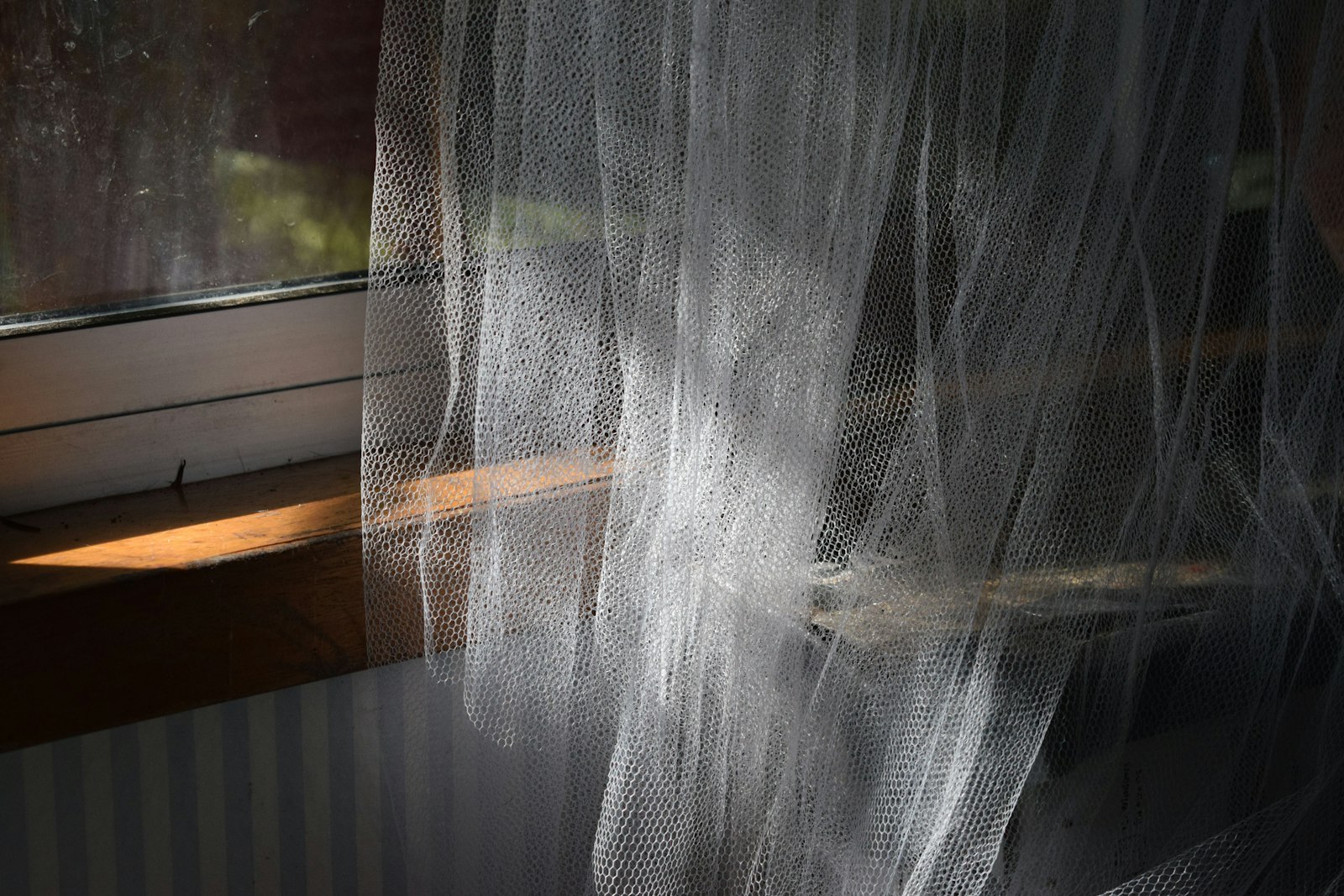
    Fine white mesh net hanging beside a window, the kind used to keep mosquitoes out
    Photo: Fr0ggy5 on Unsplash

    Dengue warning signs

    This section is general information, not medical advice. If you think someone has dengue, see a doctor.

    WHO says symptoms usually start 4 to 10 days after infection and last 2 to 7 days. They include high fever, a severe headache, pain behind the eyes, muscle and joint pain, nausea, vomiting and a rash. Most people recover in one to two weeks.

    Go to a hospital at once if you see any of these warning signs, which often appear after the fever goes away:

    • Severe stomach pain or vomiting that does not stop
    • Bleeding from the gums or nose, or blood in vomit or stool
    • Fast breathing, restlessness or extreme tiredness
    • Cold, pale skin or great weakness

    There is no specific medicine for dengue. WHO says pain can be managed with paracetamol, and that ibuprofen and aspirin should be avoided because they can raise the risk of bleeding.

    How to choose a mosquito control company

    Whoever you hire, ask these questions first:

    • Will they inspect the property before quoting, and give the quote in writing?
    • Do they treat breeding sites, or only fog the air?
    • Which products do they use, and how long must your family stay out?
    • Can they return for follow-up visits during the season?

    We offer a free inspection, a free written quote and same-day service for urgent cases. If you want a quote or advice, contact our team, call or WhatsApp 0300-9494798, or email muhafizpest@gmail.com. Our office is at 178-A, GOR-5, Faisal Town, Lahore. We also handle other household pests, such as bed bugs, if you are facing more than one problem.

    Frequently asked questions

    Does dengue mosquito spray really work?

    It works best as part of a full plan. Spraying and fogging reduce adult mosquitoes, and larvicide stops new ones from growing. WHO also stresses removing and covering the containers where mosquitoes breed. Spray without that step gives only short-term relief.

    How often should I spray my house for mosquitoes in Lahore?

    We suggest monthly treatment during the dengue peak from September to October, and weekly checks in the July monsoon peak. A seasonal package of 3 or 5 sprays covers this plan. Your inspection will show whether your property needs more or fewer visits.

    When do dengue mosquitoes bite?

    They bite during the day. That is why screens, long sleeves and repellent matter during the day, not only at night.

    Can mosquitoes breed in a small amount of water?

    Yes. According to the CDC, females lay eggs on the inside wall of a container just above the water, and they need only a little water. A saucer under a flower pot can be enough.

    How long should we stay out of the house after mosquito fogging?

    For outdoor fogging, plan on about 30 minutes to 2 hours before you return to the treated area. Your technician will give you the exact time for your job.

    How much does mosquito control cost in Lahore?

    In 2026, a one-time indoor spray for a standard home costs PKR 4,500 to 7,500. Outdoor fogging costs PKR 4,000 to 7,000. Seasonal packages cost PKR 9,000 to 24,000 depending on the number of sprays. Society-wide fogging is quoted separately.

    The bottom line

    Dengue prevention in Lahore comes down to two things: remove the places where mosquitoes breed, and treat the places you cannot remove. Start with the weekly clean-up this week. If your home has large tanks, a big garden or a history of mosquitoes, book a free inspection and get a written quote.

    Sources: WHO dengue fact sheet; CDC life cycle of Aedes mosquitoes; The Express Tribune, 24 September 2026. Prices are from our 2026 cost page.
  • Bed Bug Treatment in Lahore: Signs, Cost and How to Get Rid of Khatmal

    Bed Bug Treatment in Lahore: Signs, Cost and How to Get Rid of Khatmal

    Waking up with itchy red marks is bad enough. Finding out the cause is bed bugs (khatmal) is worse. The good news is that bed bugs can be cleared, and you rarely need to throw your furniture away.

    This guide shows you how to confirm bed bugs, how to prepare your home, which treatments work, and what you should expect to pay in Lahore in 2026. The advice follows the US Environmental Protection Agency (EPA) and Penn State Extension. If you want a team to handle it, see our bed bug treatment service in Lahore.

    What bed bugs are and why they spread so fast

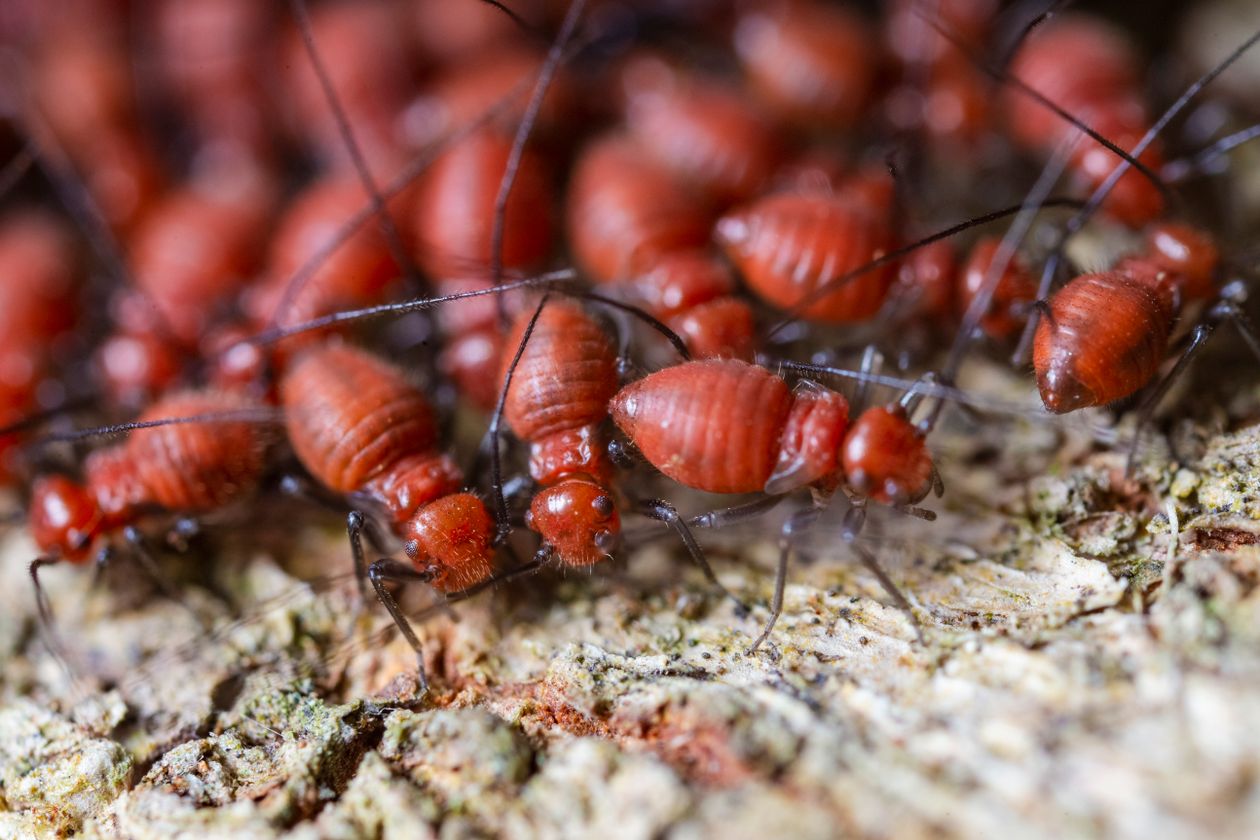
    Bed bugs are small, flat insects that feed on blood, mostly at night. An adult is about a quarter of an inch (6 mm) long. It is oval and reddish-brown. Young bugs are smaller and pale yellow. The eggs are white and very small.

    Bed bugs have no wings, so they do not fly. They move by hitching a ride on bags, clothes, second-hand furniture and bedding. This is why they show up in homes, hostels and hotels alike.

    A female can lay up to five eggs a day and about 500 in her life, according to Penn State Extension. Adults can also live for over a year without a meal. So an empty room does not solve the problem. A few bugs can become a large group in a short time.

    Signs you have bed bugs

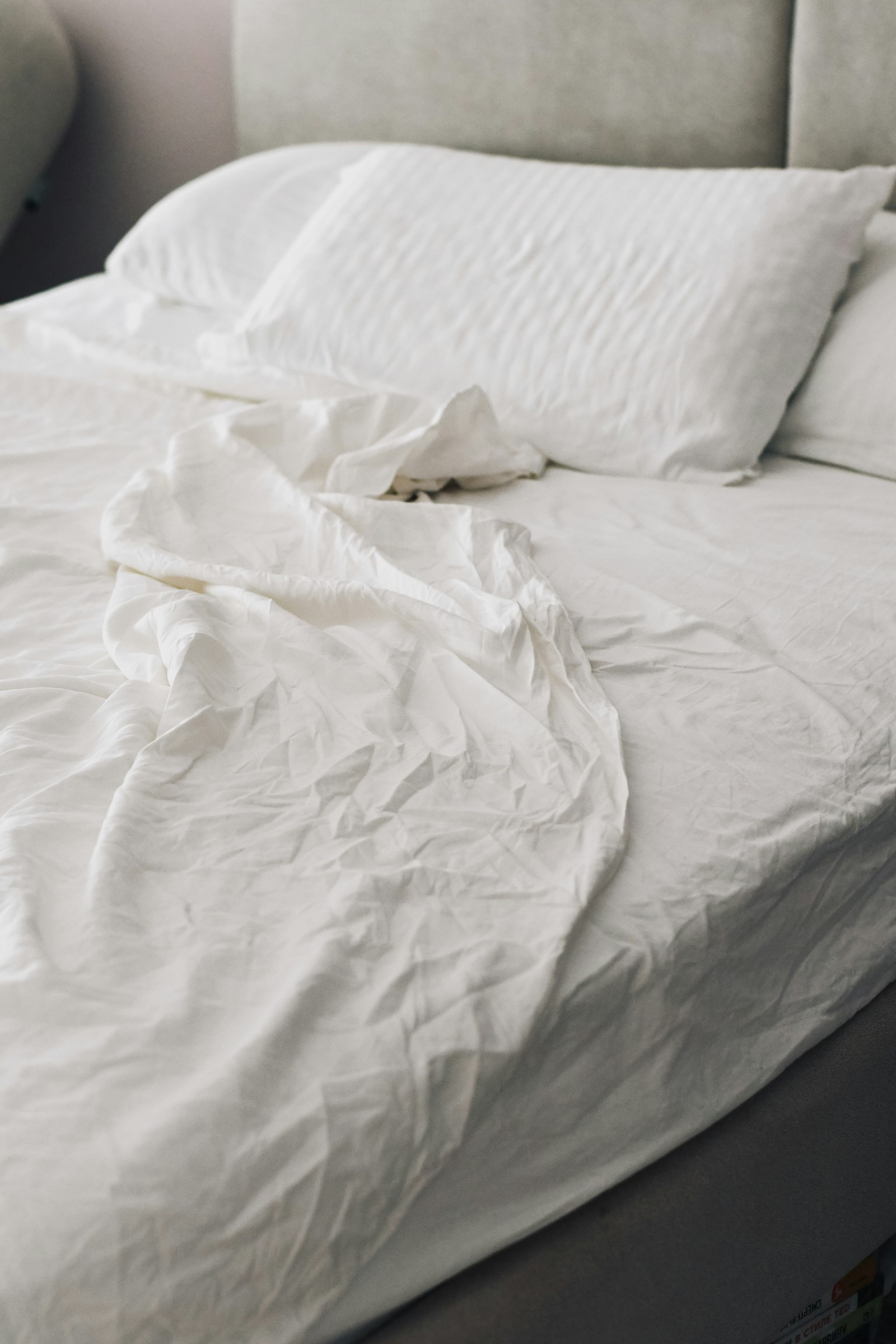
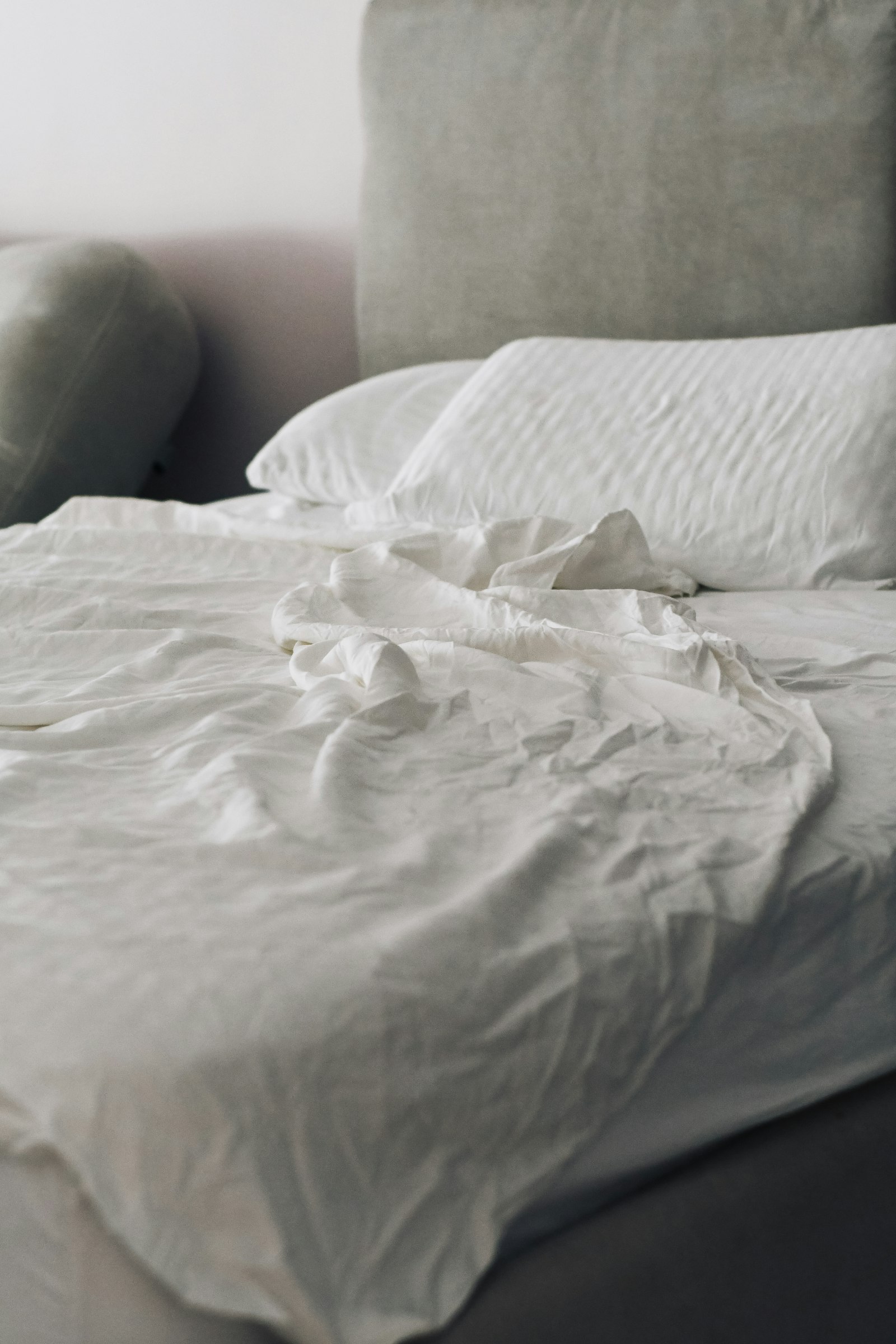
    Rumpled white bed sheets and pillows, the first place to check for bed bug signs
    Photo: Dina Makhmutova, via Unsplash

    Look for proof before you spray anything. Check the mattress seams, the bed frame, the headboard and the gaps behind it. Use a torch, and slide a thin card into cracks. Here is what to look for:

    • Dark spots. Reddish-black marks on sheets or the mattress are bug droppings.
    • Shed skins. Young bugs shed their skin as they grow.
    • Eggs. Tiny white eggs sit in seams and cracks.
    • Live bugs. You may see them along seams, folds and hinges.
    • A sweet, musty smell. This shows up when the group is large.

    What bed bug bites can and cannot tell you

    Bites often appear as red, itchy lumps. Some people react strongly. Others show no mark at all. Fleas, mosquitoes and other pests also bite, so marks on your skin prove nothing on their own. Penn State Extension warns against diagnosing from bites. Find the bugs or their signs first.

    Bites can cause allergic reactions, and scratching can lead to skin infection. Poor sleep and worry are common too. The bugs are not known for spreading disease, but they can make life miserable.

    Young cockroaches and other small brown insects are often mistaken for bed bugs. If the insects you find are fast-moving and live in the kitchen or drains, you may have a cockroach problem instead.

    How to prepare your home for treatment

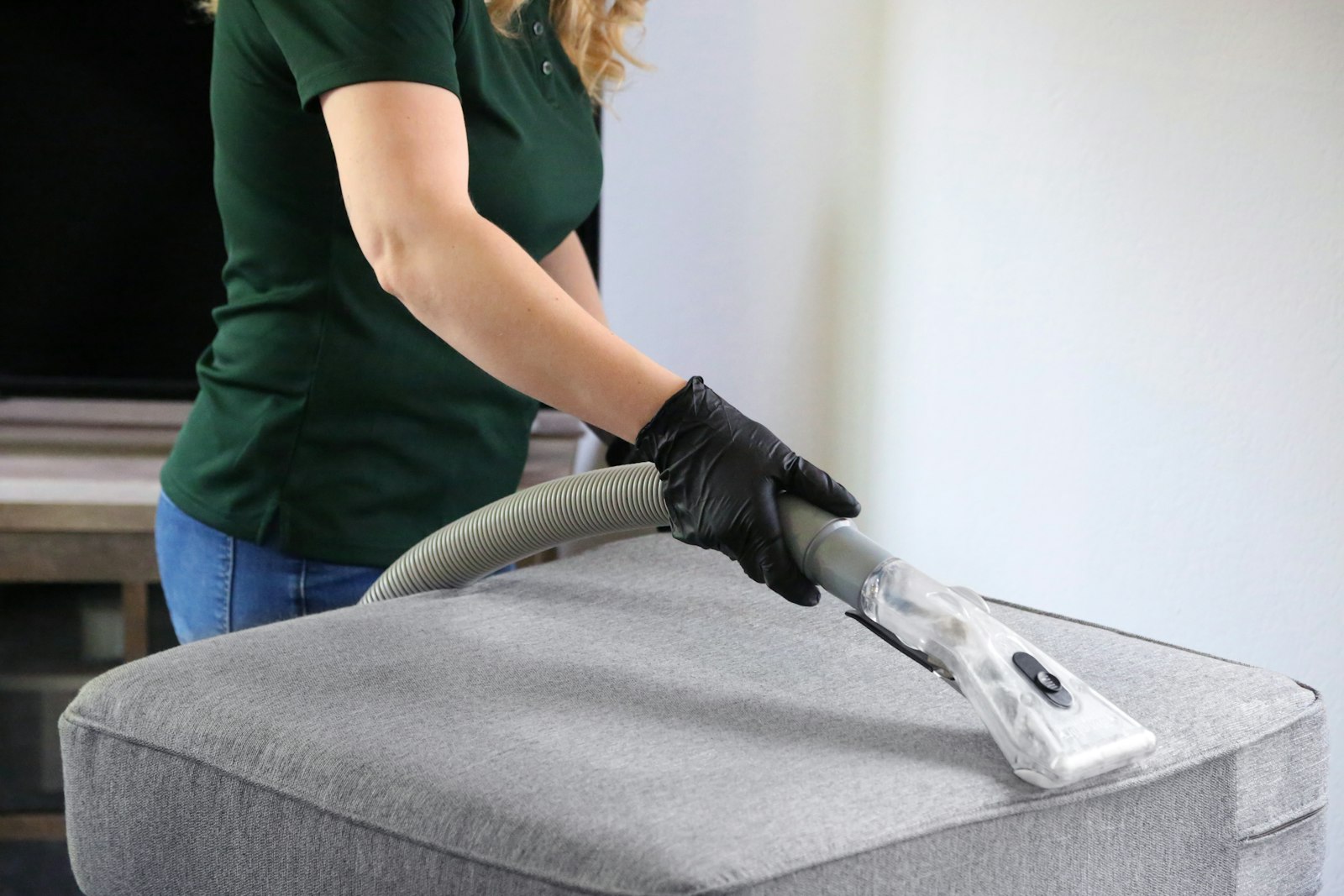
    Person in gloves vacuuming a grey upholstered ottoman with a hose attachment
    Photo: Giorgio Trovato, via Unsplash

    Good preparation helps every method work better. The EPA suggests these steps:

    • Reduce clutter. Clear piles of clothes, magazines and newspapers. Swap cardboard boxes for plastic ones, because bugs hide in cardboard.
    • Move the bed. Pull it at least 6 inches (15 cm) from the wall. Tuck the bedding in so it does not touch the floor.
    • Vacuum well. Clean the mattress, frame, skirting and sofas. Seal the vacuum bag in plastic and throw it outside.
    • Seal cracks. Close gaps near skirting boards and fix loose wallpaper where you can.
    • Use encasements. Fit bed bug-proof covers on the mattress and box spring. Keep them on for at least a year.
    • Add interceptors. Place an interceptor cup under each bed leg. Check them daily at first.

    The Muhafiz Pest team also asks you to wash bedding in hot water and clear the floor before the visit. Do not shift furniture to other rooms. Moving infested items into clean rooms spreads the bugs. Seal any item you must carry in a plastic bag first.

    Wash and dry: heat is what kills them

    Basket of white bedding in front of industrial washing machines
    Photo: Anton Savinov, via Unsplash

    Washing alone may not be enough. Heat does the real work. Penn State Extension says bed bugs die at 131°F (55°C) or higher. A hot dryer cycle of 15 to 30 minutes works. The EPA suggests about 30 minutes on high heat for clothes and bedding. Cold water and low heat may not kill them.

    Put the clean items straight into sealed plastic bags. Do not put them back on an untreated bed. If you do not own a dryer, ask a laundry shop whether it can dry your items on high heat.

    Treatment methods used in Lahore

    Muhafiz Pest offers three methods. A technician inspects first, then recommends the one that suits your home.

    Chemical spray

    This is the lowest-cost option. It suits light to moderate cases. It usually needs two to three visits, because spray can miss eggs that hatch later.

    Heat treatment

    Heat raises the room temperature enough to kill bugs and eggs. It is done in one visit, and the room must be emptied first. Penn State Extension gives 140°F (60°C) held for two hours as a target for whole-room heat. This needs special equipment. The EPA says a room heater or a higher thermostat setting will not do the job.

    Steam plus spray

    Steam is chemical-free. A targeted spray follows it. This option is suggested for repeat infestations and homes with small children.

    Bed bug treatment cost in Lahore (2026)

    The prices below come from the Muhafiz Pest bed bug page. They match the pest control cost page. They are reference ranges in PKR. The written quote you get after a free inspection is the final figure.

    PropertyChemical sprayHeat treatmentSteam + spray
    Single bedroom2,000 – 3,0003,000 – 4,5004,000 – 5,500
    2-bedroom apartment3,000 – 5,0005,000 – 8,0006,000 – 9,500
    3-bedroom house5,000 – 8,0008,000 – 11,0009,500 – 14,000
    Full house (5–10 marla)8,000 – 12,0009,500 – 15,00012,000 – 18,000
    Large house (1 kanal+)12,000 – 16,00014,000 – 18,00018,000 – 24,000

    Treatment starts at PKR 2,000. Spray costs less but needs follow-up visits. Heat costs more but finishes in one visit. The final price depends on the size of the property, how bad the problem is, and how many rooms are affected. Hotel owners can ask about discreet treatment and monthly contracts on the hotel pest control page.

    How do you compare quotes fairly? Ask each company for the same details: the method, the number of rooms covered, the number of visits, and whether the follow-up is included. A low price that covers one visit may cost more in the end than a higher price that covers everything. Write the figures down side by side before you decide.

    Home fixes that do not work

    • Shop-bought sprays on their own. They kill only the bugs they touch. Eggs survive and hatch later.
    • A home freezer. The EPA says freezing needs very low temperatures held for a long time, which most home freezers do not reach.
    • A room heater. Heat only works when it is high enough and even enough to reach every hiding place.
    • Throwing the mattress away. This is costly and can spread the bugs to others. A professional treatment usually saves the mattress. If you must discard it, destroy it first so nobody else picks it up.

    After treatment: follow-up and prevention

    Bed made with clean white linen after cleaning and treatment
    Photo: Dina Makhmutova, via Unsplash

    Spray treatments need a follow-up visit to catch bugs that hatch from surviving eggs. Do not skip it. Keep the mattress covers on for a year, and keep checking the interceptor cups. Keep washing and drying bedding on high heat.

    Prevention is mostly about what you bring in. Check second-hand furniture before it enters your bedroom. Keep luggage off the bed after trips, and wash travel clothes on a hot cycle. Bed bugs do not damage wood. If you see hollow timber or mud tubes, read our termite control guide for Lahore instead.

    Tenants and landlords often ask who pays for treatment. Check your rental agreement, and tell the owner as soon as you find signs. Acting early keeps the cost down, because a small group of bugs is far easier to clear than one that has spread through every room.

    How to choose a pest control company in Lahore

    • Ask for a free inspection and a written quote before any work starts.
    • Ask which method they will use and how many visits it needs.
    • Ask about the follow-up visit and whether it is included.
    • Be careful with anyone who tells you to throw out all your furniture.
    • Compare two quotes. Do not sign under pressure.

    Bed bug treatment FAQs

    How long does it take to get rid of bed bugs?

    Heat treatment is done in one visit. Spray treatment usually takes two to three visits. A follow-up visit catches bugs that hatch after the first treatment, so full clearance takes longer than a single day.

    Do I have to leave my home during treatment?

    Not for spray or steam treatment. Heat treatment needs the room emptied first. Your technician will tell you what to do before they start.

    Can bed bugs survive without feeding?

    Yes. Penn State Extension says adults can live for over a year without a blood meal. Young bugs can last several months. That is why leaving a room empty does not clear them.

    Do I need to throw away my mattress?

    Usually not. Professional treatment kills bugs and eggs inside a mattress. A bed bug-proof cover then helps keep any survivors from getting out or new bugs from getting in.

    How much does bed bug treatment cost in Lahore?

    It starts at PKR 2,000. A single bedroom costs PKR 2,000 to 5,500 depending on the method. A large house of one kanal or more costs PKR 12,000 to 24,000. Your written quote after inspection is the final price.

    Are bed bugs dangerous?

    They are not known for spreading disease. Bites can still cause itching and allergic reactions, and scratching can lead to infection. Many people also lose sleep. You can read more answers on our FAQ page.

    Get a free bed bug inspection

    If you have found signs of bed bugs, act early. Call or WhatsApp Muhafiz Pest on 0300-9494798, or book a free inspection online. We are based in Faisal Town, Lahore. You get a written quote before any work begins.

  • Termite Control in Lahore: Signs, Treatment and Cost

    Termite Control in Lahore: Signs, Treatment and Cost

    The only treatment that stops termites for good is one that reaches the colony in the soil under your house. In Lahore, that kind of treatment costs from about PKR 8,500 for a 5 marla plot, and a good company gives you a written warranty of 5 to 10 years. The best time to book is March or April, before the first monsoon rain brings the swarms.

    This guide explains how to spot termites early, how treatment works, what it costs in 2026, and how to pick a company you can trust.

    Signs you have termites

    Termites often work for months or years before anyone sees them. They eat wood from the inside, so the surface can look fine while the wood underneath is hollow. Look for these signs:

    • Mud tubes. These are thin tubes of dried soil on walls, skirting boards, door frames or pipes. They are about as wide as a pencil. Termites use them to travel without drying out.
    • Hollow wood. Tap a door frame or wooden shelf. If it sounds papery or weak, the inside may be eaten. Damaged wood is hollowed along the grain, with dried mud in the tunnels.
    • Discarded wings. After rain, you may find small piles of wings near windows, doors or lights. Winged termites leave the nest in warm, wet weather, then drop their wings.
    • Sticking doors and windows. Wood that has been attacked can swell or warp, so doors and windows suddenly jam.
    • Bubbling paint or small holes in plaster. You may also see soil around the edges of the holes, or wall coverings that look rippled.

    If you find a mud tube, do not break it open and do not spray it. Take a clear photo and send it to an inspector, for example on WhatsApp. An empty tube does not rule out a problem, so a trained inspector should check whether it is active. Our termite control service in Lahore starts with exactly this kind of check.

    Termites or flying ants?

    Many people see winged insects after rain and are not sure what they are. The difference is easy to learn:

    FeatureTermiteFlying ant
    AntennaeStraightBent like an elbow
    WaistThick, even bodyPinched, thin waist
    WingsFour wings, all the same sizeFront wings longer than back wings

    Winged termites found inside your home almost always mean an infestation. They are drawn to light, so you will see them near windows and doors. Indoor swarmers live only about a day and cannot harm wood, but their presence tells you a colony is close.

    If the swarm comes from a tree stump or woodpile in the yard, your house may not be affected. Still, it is wise to have the building checked.

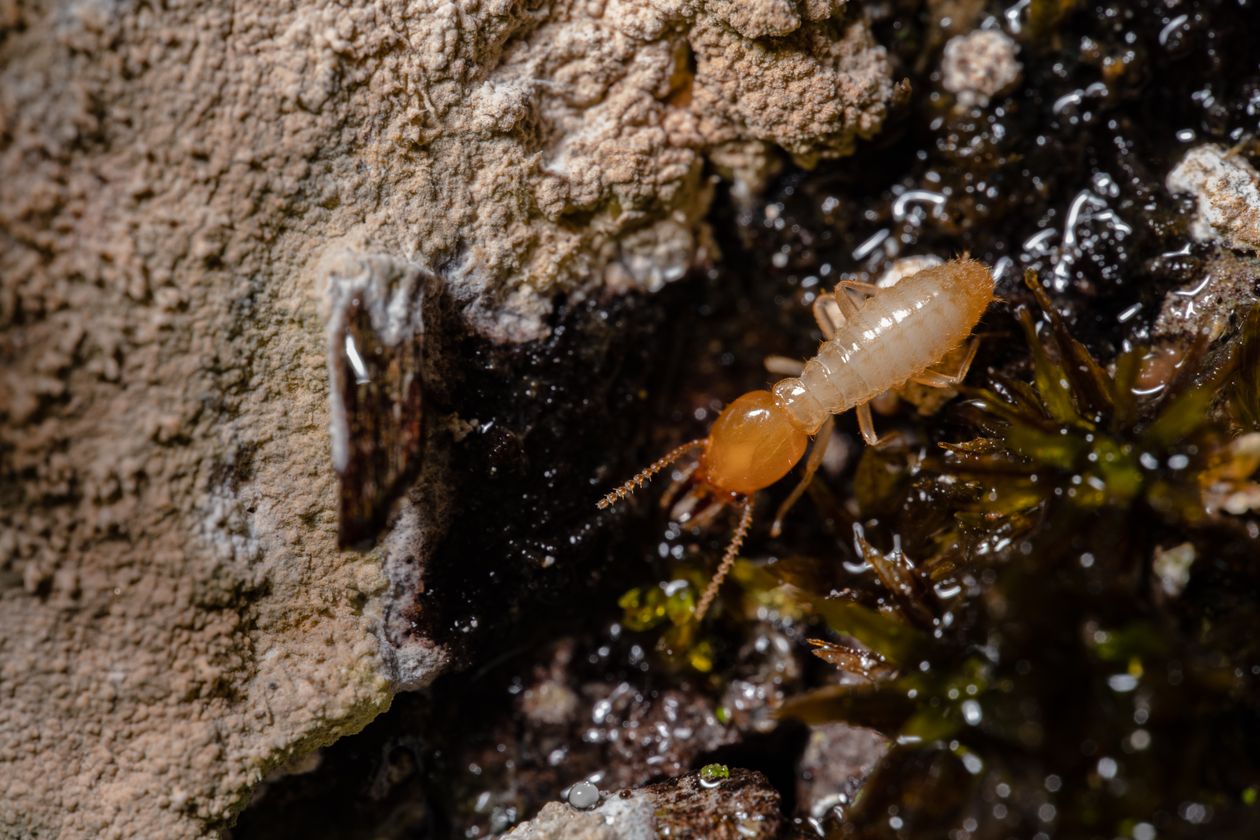
    Macro photo of a pale termite on wood
    Photo: Jimmy Chan, via Pexels

    Why termites are a problem in Lahore

    Pakistan has about 53 recorded termite species. In Punjab, the most damaging ones that live in soil belong to two groups, Microtermes and Odontotermes. They attack wooden structures and crops.

    These termites live in colonies that can hold many thousands of insects. The colony stays in the soil, and workers travel out in all directions to find wood, paper and other plant material. This is why you can treat one door frame and still have the problem: the colony is somewhere else.

    Lahore’s weather helps them. Termites become active from April. They swarm after the first monsoon rain, when the air is warm and the soil is wet. Damage often shows between October and January, after months of hidden feeding. That is why many families only notice a problem in winter, long after the termites arrived.

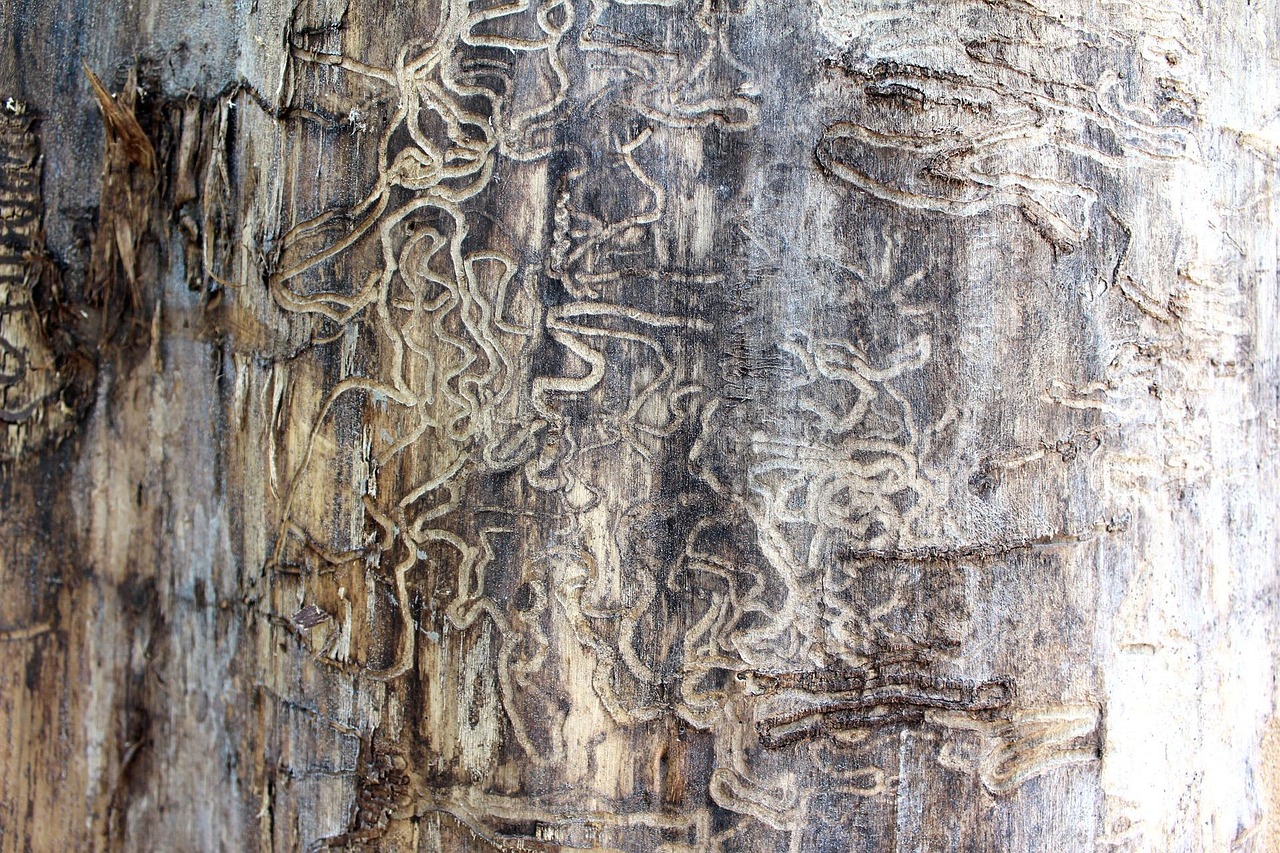
    Close-up of termite tunnels in weathered tree bark
    Photo: PublicDomainPictures, via Pixabay

    How termite treatment works

    There are two main ways to treat soil termites.

    Liquid soil treatment. A professional applies a liquid termiticide (a chemical that kills termites) to the soil around and under the building. This forms a barrier. Modern products, such as fipronil or imidacloprid, are non-repellent. That means termites do not avoid them. They tunnel into the treated soil and die, and termites already inside the building often die too. Extension research from the University of Kentucky says liquid treatments are expected to protect a building for at least five years when applied correctly.

    Bait stations. Small plastic stations are buried in the ground. They hold food mixed with a slow-acting poison. Workers carry the food back to the nest and share it, so the colony slowly shrinks. Baits can be used alone or together with liquid treatment.

    For houses in Lahore, Muhafiz uses soil treatment, which is explained in the two sections below.

    Why sprays and quick fixes fail

    A spray from a shop kills only the termites you can see. The colony in the soil keeps sending more workers. Researchers note that store-bought products rarely end an existing infestation, and treating only one spot is usually a gamble, because termites find another way in.

    If termites come back a year after treatment, the cause is usually a gap in the barrier, not a weak chemical. This is why the quality of the application matters as much as the product.

    Pre-construction and post-construction treatment

    The method depends on the stage of your house: not built yet, or already built.

    Pre-construction treatment is done at the foundation stage, before the floor is laid. The team treats the soil under the foundation and plinth, and along the boundary of the structure. It is timed with your contractor so the soil is treated at the right moment. It costs a little less because no drilling is needed. If you are building a new house, this is the best time to treat. It is much easier to protect soil before concrete covers it.

    Post-construction treatment is for houses that are already built. The team drills small holes along floor edges and walls, injects termiticide into the soil below, then seals the holes. Doors, frames and other affected wood are treated directly. For severe infestations, or before you move into a new house, fumigation services in Lahore treat the whole property.

    Both methods aim at the same thing: a continuous treated zone in the soil that termites cannot cross without being poisoned.

    Termite treatment cost in Lahore

    Prices depend on the size of the house, how far the termites have spread, and the type of construction. The table below shows 2026 price ranges from Muhafiz Pest Solutions. These are reference ranges, not fixed quotes. Larger houses and commercial buildings are priced after an inspection. You can also see the full pest control cost guide for Lahore.

    ServicePrice (PKR)
    5 marla house, pre-construction8,500 – 10,000
    5 marla house, post-construction9,000 – 10,000
    10 marla house, pre-construction13,000 – 16,000
    10 marla house, post-construction13,500 – 16,500
    1 kanal house, pre-construction19,500 – 29,500
    1 kanal house, post-construction20,500 – 30,500
    Single room4,000 – 6,500
    Furniture, per piece2,000 – 8,000
    Annual termite contract30,000 – 75,000

    Prices change with how far the termites have spread and with the type of construction. A free on-site check gives you an exact figure.

    What a good warranty covers

    A warranty is only useful if it is written down and clear. Ask these questions before you accept a quote:

    1. How many years does the warranty last, and is the period written on the quote?
    2. If termites return in a treated area, is re-treatment free?
    3. Do you need to pay a yearly fee to keep the warranty valid?
    4. Does the warranty cover the whole house or only some rooms?
    5. Who do you call, and how fast do they come?

    University extension advice also suggests comparing warranties from several companies. Most offer free re-treatment, but some only do so if you renew every year. Read the terms before you decide.

    At Muhafiz, the warranty runs 5 to 10 years and is written on the quote. If termites return in a treated area during that time, the company re-treats at no extra cost.

    What happens during a visit

    A good visit follows a clear order:

    1. Free inspection. The inspector checks wooden fittings, floors, walls and the garden. They look for active termites and for the paths they use.
    2. Findings shown to you. You see what was found before you hear a price.
    3. Written quote. It states the area to be treated, the method, the price and the warranty period.
    4. Treatment. The soil is treated to stop the colony, and affected wood is treated directly.
    5. Follow-up. If termites appear again during the warranty, the company returns.

    The treatment is odor-free, so most families can stay at home. Children and pets should stay away from the work area until the treatment and sealing are finished.

    Solid furniture can often be saved. If a piece is badly hollowed, the inspector will tell you before treatment.

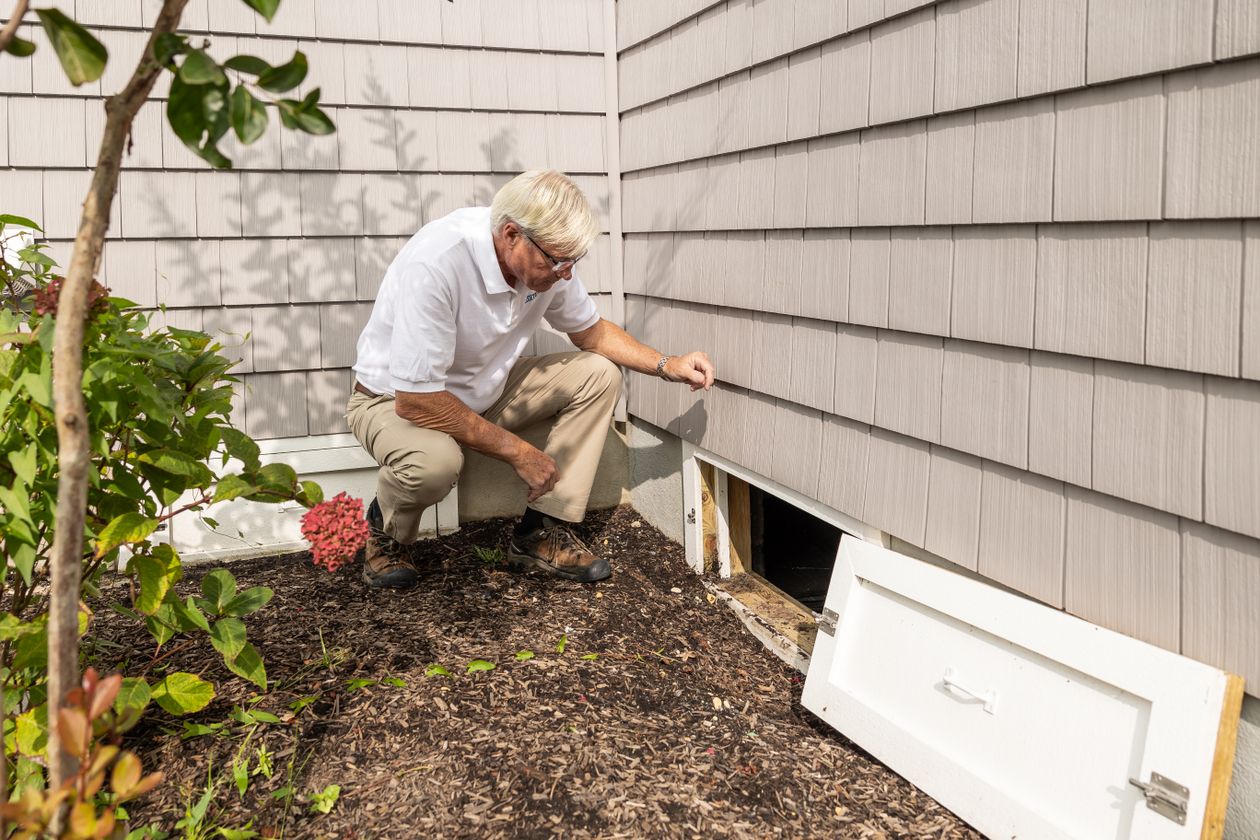
    Inspector checking the entrance to a crawl space during a home inspection
    Photo: Kathleen Austin Kuhn, via Pexels

    When is the best time to treat?

    Book in March or April. Termites become active from April and swarm after the first monsoon rain, so treatment before that stops them early. If you see damage in winter, do not wait for spring. Termites keep feeding, so the damage grows.

    If you are building, treat at the foundation stage. That is the cheapest and most effective moment.

    How to choose a termite control company

    Look for a company that:

    • offers a free inspection and shows you what it found
    • gives a written quote with the method, area and warranty
    • names the product it uses and explains how it works
    • is clear about what the warranty covers
    • answers calls and returns when you report a problem

    Take your time to compare. Termites damage wood slowly, so a few days to choose well will not cost you much. Be careful with anyone who pushes you to sign on the spot. You can read about the team and its history on the Muhafiz Pest Solutions about page.

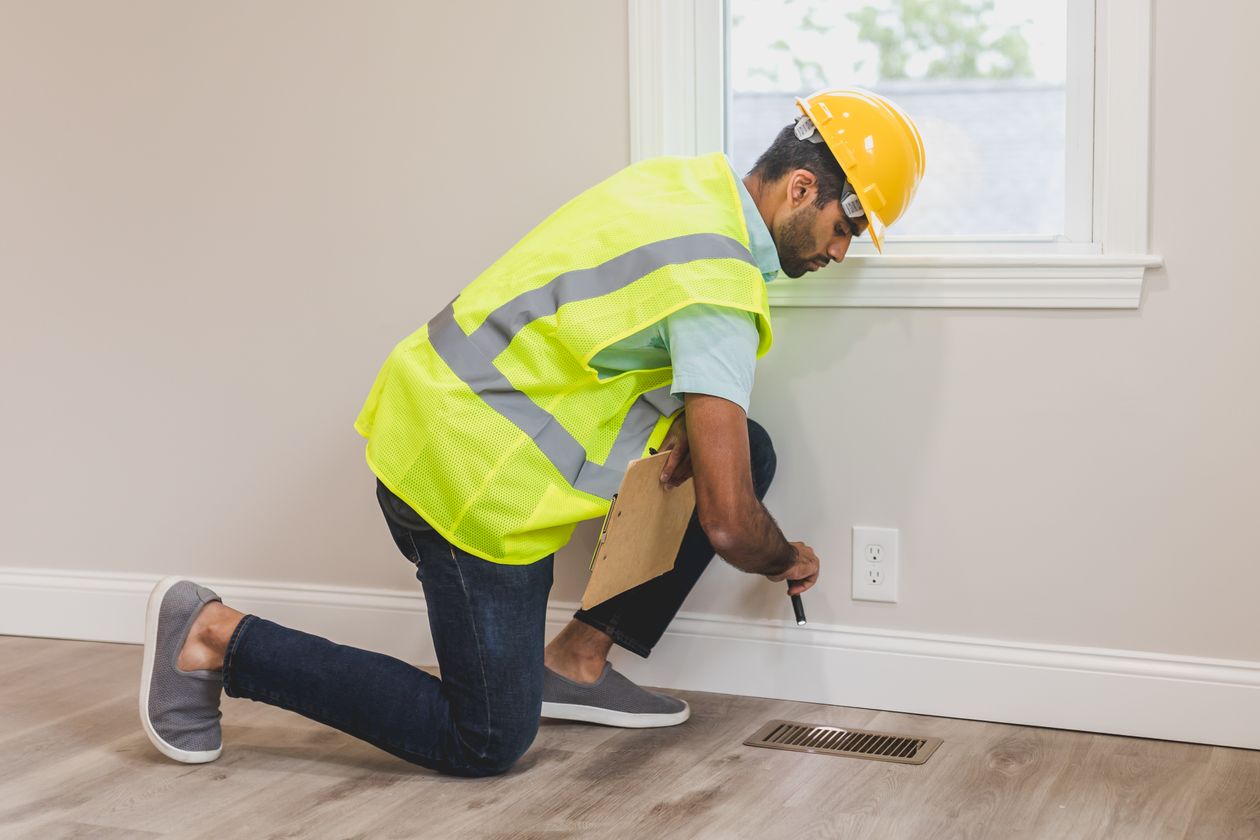
    Worker using tools to inspect a floor near a vent during a home inspection
    Photo: RDNE Stock project, via Pexels

    Book a free termite inspection

    If you have seen mud tubes, hollow wood or wings, or you are about to build, the next step is simple. Book a free inspection with Muhafiz Pest Solutions. The team works across Lahore, including DHA, Gulberg, Model Town, Bahria Town and Johar Town. See the full list of areas we serve in Lahore, then use the contact page or call or WhatsApp 0300-9494798. If you can, send a photo of the problem first. The team will check your house, show you what they find, and give you a written quote.

    Frequently asked questions

    How much does termite treatment cost in Lahore?

    For a 5 marla house, post-construction treatment costs about PKR 9,000 to 10,000, and pre-construction costs PKR 8,500 to 10,000. A single room is PKR 4,000 to 6,500. Larger houses and commercial buildings are priced after an inspection.

    How long does termite treatment last?

    Liquid soil treatment is expected to work for at least five years when applied correctly, according to university extension research. The warranty period is set by the company. Muhafiz gives 5 to 10 years in writing.

    Is it safe to stay in the house during treatment?

    The treatment is odor-free, so most families stay home. Keep children and pets away from the work area until the drilling and sealing are done.

    Can my furniture be saved?

    Often, yes. Solid pieces can be treated for PKR 2,000 to 8,000 each. If a piece is badly hollowed, the inspector will tell you before any work starts.

    Why do sprays not stop termites?

    Sprays kill only the termites you can see. The colony lives in the soil and keeps sending workers. Treating the soil is what reaches the source.

    Are flying ants and termites the same?

    No. Termites have straight antennae, a thick even body and wings of equal size. Flying ants have bent antennae, a pinched waist and longer front wings. Winged termites inside your home almost always mean an infestation.